
 By
By How rituals help reduce inflammation and sensitivity
Posted on February 18, 2026 Written by: 100% PURE®

Your skin is not just a surface. It’s a storyteller.
It tells the truth about late nights and loud weeks. About the email you reread ten times. About the “I’m fine” you didn’t mean. About the kind of stress that doesn’t feel dramatic, just constant—like a browser with forty tabs open and one of them playing music you can’t find.
And when life is too sharp for too long, your skin often becomes the messenger: redness that flares without warning, breakouts that arrive like tiny protests, sensitivity that makes even “gentle” products feel like a dare.
That’s not vanity. That’s biology.
Because calm isn’t a luxury add-on to skincare—it’s often a prerequisite for repair. If you’re trying to heal your skin while your nervous system is running on emergency settings, you’re asking your body to rebuild while it still thinks it’s under threat.
This is where a calming skincare routine becomes more than skincare. It becomes regulation: a nightly signal to your system that it can stand down.
And when your system stands down, your skin can finally exhale.
(If you’re here for stress inflammation skin, nervous system and skin, and what “calm” actually looks like in practice—let’s get into it.)
The Nervous System–Skin Connection
We tend to treat skin like it’s separate: a face issue, a product issue, a “maybe I need a new serum” issue.
But skin is an organ with a direct line to your internal state. It’s highly innervated, immunologically active, and responsive to hormonal shifts—meaning it reacts not only to what you put on it, but also to what you live through.
Stress hormones and inflammation
When you’re stressed, your body releases stress hormones (hello, cortisol and adrenaline) designed to keep you alert and ready. That’s useful if you’re being chased by something. It’s less useful when your “threat” is deadlines, sleep deprivation, and emotional overload that never resolves.
Chronic stress can tilt the body toward inflammation. And inflammation is a key driver behind many skin issues: flare-ups, redness, sensitivity, breakouts, and that overall “my skin is angry and I don’t know why” feeling.
Why sensitive skin often mirrors emotional overload
Sensitive skin isn’t always “just sensitive.” Sometimes it’s skin that’s been living in a body that’s overstimulated for too long.
When your nervous system is stuck in a heightened state, your threshold lowers—everything feels more intense. That applies to emotions, noise, light… and yes, skincare products.
So you’re not imagining it: the same formula that felt fine last month can suddenly sting this month. Your skin’s tolerance changes when your internal stress load changes.
How Chronic Stress Shows Up on Skin
Stress isn’t always visible in your calendar. But it can be visible in your face.
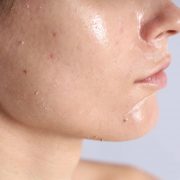
Redness, irritation, breakouts
Under chronic stress, your skin may:
- flush or redden more easily
- feel tight or reactive
- break out in places it normally doesn’t
- become more prone to itching, stinging, or burning sensations
It’s not that your skin is “being difficult.” It’s that your body is prioritizing survival signals over beauty signals. Repair becomes secondary when your system is braced.
Slower healing and increased reactivity
One of the most frustrating parts of stress-related skin issues is the lag. You can start doing “everything right” and still feel stuck.
That’s because stress can slow recovery. Skin that’s inflamed tends to heal more slowly and react more quickly. The smallest disruption—weather change, a new product, a late night—can feel like it tips everything over.
Which is why the solution is rarely a more aggressive routine. It’s often a calmer one.
Why Rituals Help Regulate Both Skin and Mind
A routine is what you do. A ritual is what it means.
When you turn your nighttime skincare into a ritual—simple, repetitive, sensory—you’re not just caring for your skin. You’re teaching your nervous system a new pattern: downshift, soften, repair.
Repetition signals safety
Your nervous system loves predictable cues. Repetition is one of the fastest ways to tell the body: we are not in danger.
When you do the same steps in the same order each night, you’re creating a reliable “end-of-day” signal. Over time, your body learns to associate that sequence with rest.
And rest is where repair lives.
Scent, touch, and routine as calming cues
Ritual works because it’s sensory:
- Scent can trigger relaxation associations quickly (lavender is a classic bedtime cue for many people).
- Touch—especially slow, gentle touch—can be grounding.
- Warmth helps the body shift out of vigilance and into comfort.
You’re not just applying products. You’re speaking your body’s language.
A Nervous-System-Soothing Evening Ritual
This is a trend-free, nervous-system-friendly evening ritual designed to support both calm skin and a calmer mind. Keep it simple. Keep it consistent. Let it become familiar.
1) Cleanse: Gentle reset to signal transition
Ritual cue: As you cleanse, take one slow breath in through your nose, out through your mouth. Do it twice. Make it your “closing ceremony.”
2) Tone: Calm inflammation and rebalance
Lavender Niacinamide Pore Minimizer Tonique
This step can feel like cooling down after the day—supporting balance, reducing that “hot” reactive feeling, and setting your skin up for comfort.
Ritual cue: Press it into your skin with your palms instead of swiping. Let your hands linger for a second. Slow touch helps your body believe it can slow down too.
3) Moisturize: Restore comfort and hydration
Rose Water Hydrating Milk
Moisturizing is a form of reassurance. Hydration and barrier support aren’t flashy, but they’re the foundation of calmer skin.
Ritual cue: Apply in upward, gentle motions. Relax your jaw as you do it—yes, really. The face holds stress like a secret.
4) Body Ritual: Relax the nervous system through scent and warmth
French Lavender Shower Gel
A warm shower isn’t just hygiene—it’s nervous-system medicine in everyday form. Lavender adds a sensory cue that tells your brain it’s safe to power down.
Ritual cue: Let the scent be your anchor. Each night, mentally pair it with one phrase: “I’m allowed to rest.” (It sounds small. It lands big.)
Conclusion: Calm Skin Begins With Calm Habits
If your skin has been sensitive, reactive, or stuck in a cycle of irritation, the answer might not be another “stronger” product.
It might be a softer life—starting with a softer night.
Calm skin doesn’t come from pressure. It comes from conditions: consistency, gentleness, and a nervous system that’s no longer running drills.
Your rituals don’t have to be elaborate. They have to be repeatable. Because every night you choose calm, your skin gets one more chance to repair in peace.
FAQ
Can stress really affect skin inflammation?
Yes. Stress can influence inflammation in the body, and skin is especially responsive to inflammatory signals. That’s why flare-ups, redness, breakouts, and sensitivity often spike during high-stress periods—and why calming practices can support skin recovery alongside a gentle routine.
How long does it take for calm routines to help skin?
Some people notice changes quickly—sleep improves, reactivity calms, the skin feels less “on edge.” Visible skin changes can take longer because they rely on repair and renewal cycles. The key is consistency: calm routines work best when they become a steady signal, not an occasional rescue mission.
Is a calming routine enough for sensitive skin?
A calming routine is a powerful foundation, especially if your sensitivity is tied to barrier disruption and stress. But if you have persistent symptoms—burning, severe redness, rashes, or worsening flare-ups—it’s worth consulting a dermatologist to rule out conditions like eczema, rosacea, or allergic reactions. Think of calm routines as essential support, and professional guidance as a smart next step when needed.